Billing System Modernization
Problem
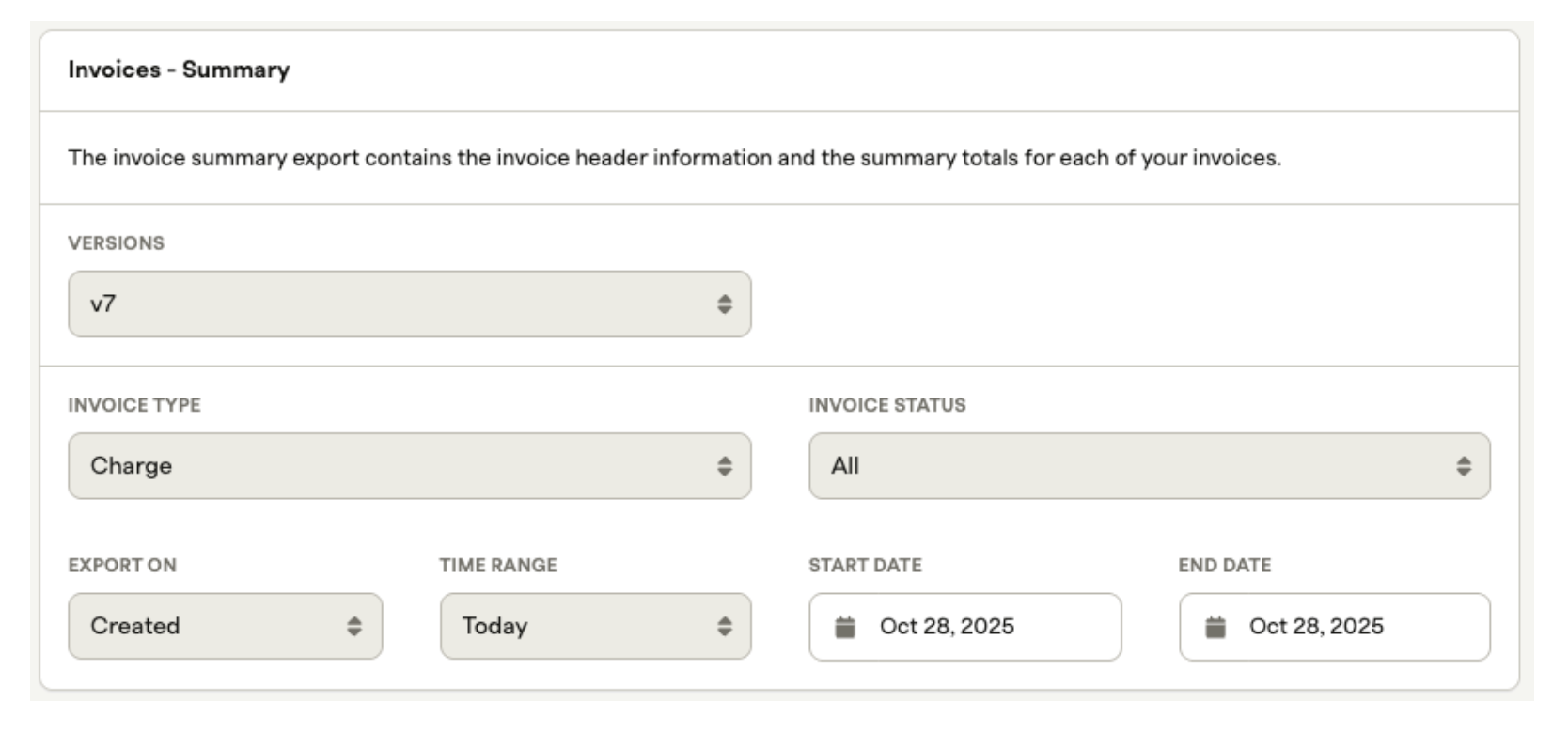
SaaS companies rely on billing systems to translate complex sales agreements into accurate invoices, subscriptions, and product provisioning. As our company scaled, the existing billing workflow created friction for internal teams handling complex customer deals. Invoicing and provisioning of licenses required manual intervention, increasing operational overhead and slowing order processing.
Role
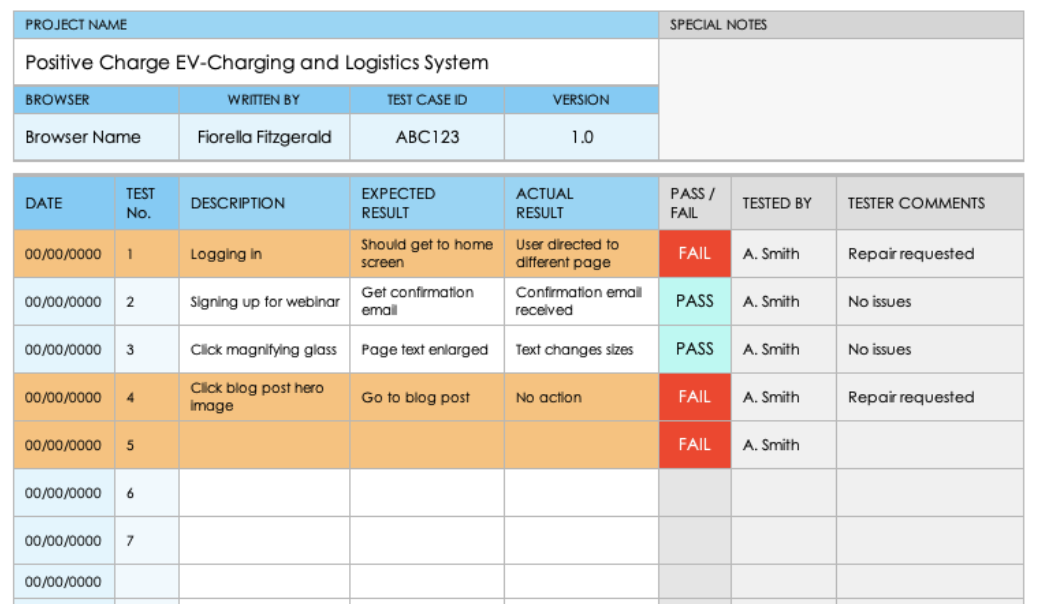
I partnered with product managers, engineers, and QA during a major billing workflow improvement initiative. My role focused on supporting user acceptance testing (UAT) and validating order-to-cash scenarios to ensure the system handled complex deal structures prior to launch. I also championed a product feature for the billing system, partnering with a software engineer to pitch the feature to leadership and ultimately have it released and is now used across the business by numerous teams in their daily work.
Approach
Working from an operational perspective, I helped identify edge cases that could break or delay workflows. By conducing over 40 hours of testing dozens of different product features I provided feedback that helped the product, quality assurance, and engineering teams refine the system before release.
Outcome
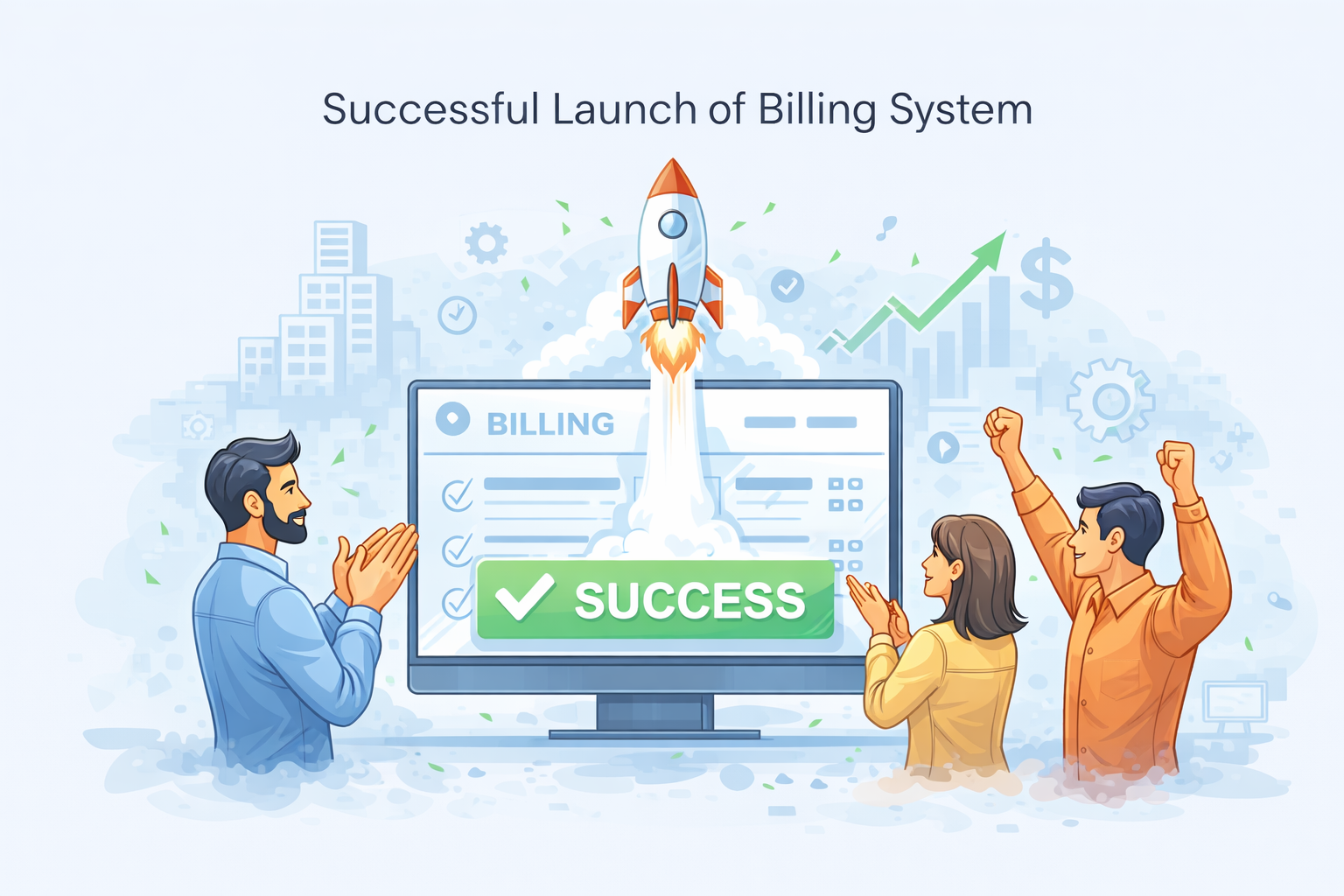
The overhaul of the legacy billing system dramatically improved billing, invoicing, and provisioning workflows this significantly reduced friction for internal teams and improved the reliability of order processing. The experience reinforced a key product lesson: internal tools are products too, and improving them can meaningfully impact operational efficiency and customer experience.
Key Takeaway
This project highlighted how internal systems function as critical products within an organization. Small workflow inefficiencies can compound across teams, creating operational friction that ultimately affects customer experience. By incorporating feedback from frontline operational teams, product teams can surface edge cases earlier and design more resilient systems.